
Bridging the Divide: How AgriFoodTech Can Deliver for Smallholder Farmers in Latin America
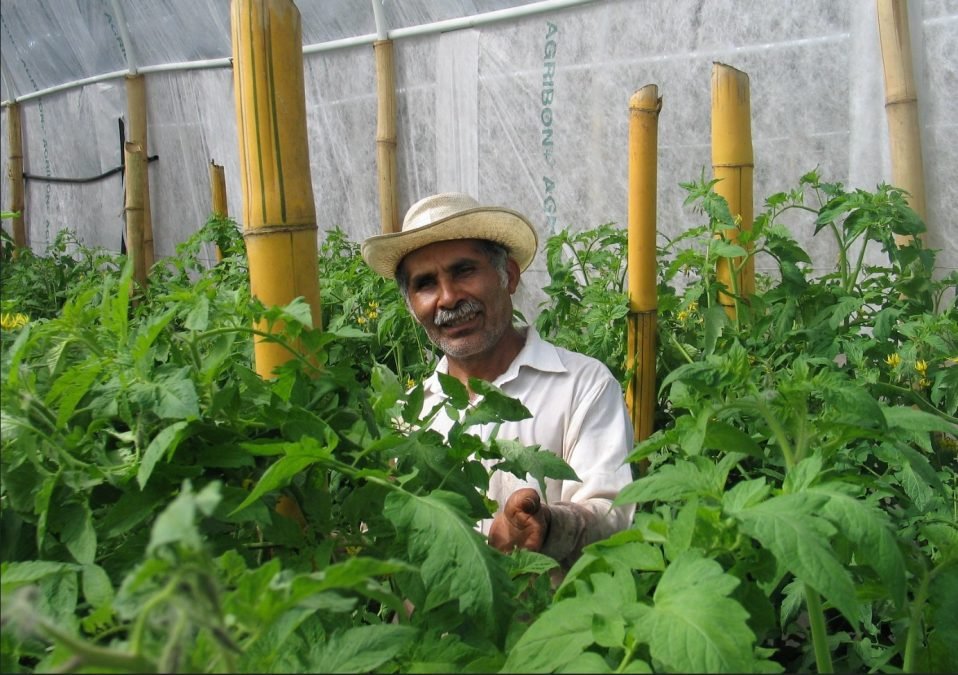
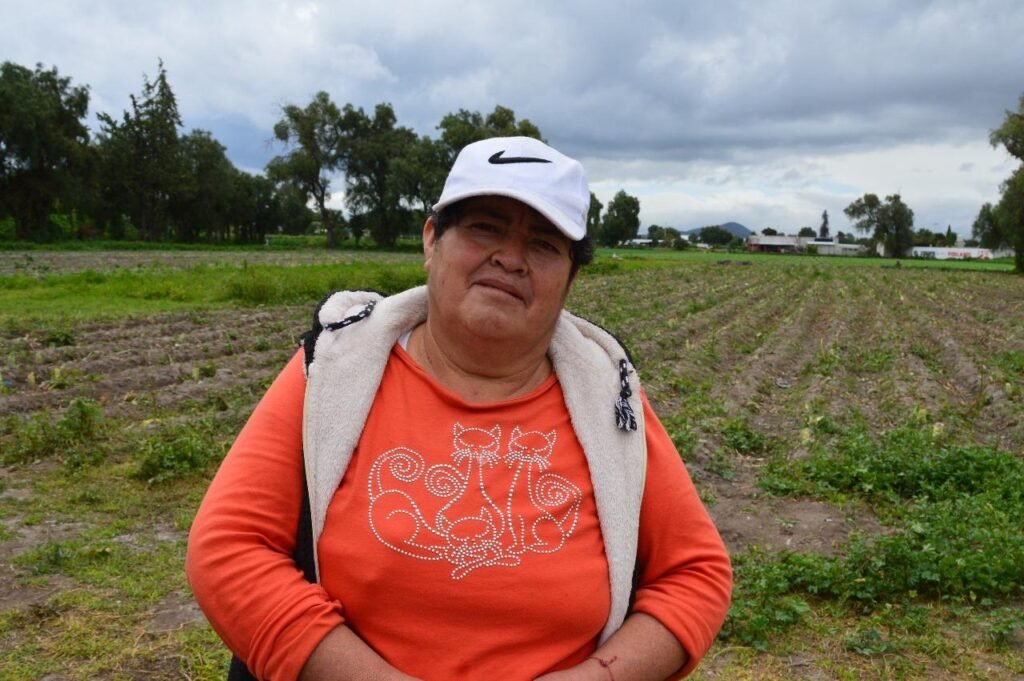
Valentina, a smallholder farmer from Puebla, Mexico, had just two weeks to prepare her land before the rainy season began. She needed around $2,000 to get started and was struggling to come up with the funds in that short period of time. Like many farmers in her community, she had never been able to access formal credit–financial institutions see smallholders as risky investments, while the application processes often present numerous obstacles.
Six practical strategies for inclusive innovation in agrifoodtech
Make the business case clear
Solutions must make financial sense for smallholder farmers. Does the technology help them access financing, increase productivity, reach new markets or reduce risks? Many tools fail to reflect the day-to-day realities of a small farm. From digital literacy levels to farm size and decision-making patterns, startups must design tools and interfaces that respond to smallholder farmers’ needs and how they live and operate.
Just as critically, the business case must be clear for the start-up. Whether it is opening up a new customer segment or market, reducing risks or something else, the financial case for working with smallholders must be clear.
Support the adoption of agrifoodtech
Technology adoption among smallholders requires trust, repetition and a thoughtful mix of digital and personalised support. Startups should embed change-management strategies into their models, and accelerators should provide mentorship to farmers, not just tech development.
Co-design agrifoodtech with buyers
Reliable market access is one of the strongest incentives for technology adoption. Startups can strengthen product-market fit and boost adoption by involving corporate buyers early and co-designing solutions that address the needs of both farmers and buyers.
Diversify capital sources
Working with smallholder farmers can involve additional costs and longer return timelines. But institutions are willing to support this work because of the social, economic and environmental value it creates.
Prioritise impact measurement
Startups often neglect tracking social and environmental impact in their early stages, assuming they lack sufficient data. Accelerators can play a vital role in helping them develop practical tools to measure outcomes from the beginning to strengthen their models and attract impact-aligned capital.
Build ecosystems
Latin America’s AgriFoodTech landscape is still young and presents an opportunity for learning, measuring, adapting and co-creating. Accelerators and support organisations must actively broker relationships between startups, anchor buyers, producer organisations, researchers, investors and policymakers to build a collaborative ecosystem.
Putting these principles into practice
In Mexico, agents for fintech firm IncluirTec meet smallholders where they are. They visit farms and work directly with the smallholder to fill out the loan application without internet, thanks to the technology’s offline functionality. This allowed Valentina to apply for and receive a formal loan for the first time. At the same time, IncluirTec is able to reach a new and underserved customer segment for the formal financial sector.